A Guide for Parents of Teens with Ovarian Cysts

Hearing that your teenage daughter has an "ovarian cyst" can be scary. As a parent, your mind might immediately jump to the worst-case scenario. But here is the reassurance you need to understand: these cysts are much more common than you think, and in the vast majority of cases, they are harmless and go away on their own.
Understanding what's happening in her body can help lower the anxiety and ensure she gets the right care if she needs it.
But, What Exactly is an Ovarian Cyst?
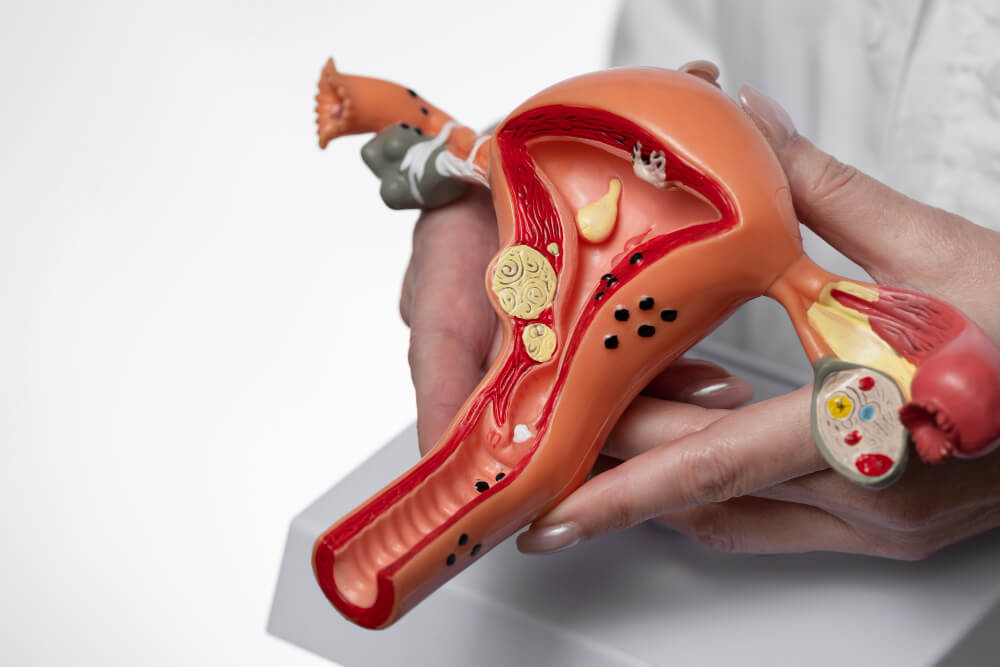
In simple words, an ovarian cyst is a small, fluid-filled sac that forms on or inside the ovary. During the teenage years, a girl's body is going through a massive hormonal overhaul. Because of these rapid changes, it is very common for "functional cysts" to develop. These aren't usually a sign of disease; they are often just a temporary side effect of the menstrual cycle itself.
Why is This Happening?
The primary driver here is hormonal imbalance, which is common during early puberty. However, there are a few other factors that might make a teen more prone to them:
- Irregular Cycles: When periods are unpredictable, cysts are more likely to form.
- PCOS (Polycystic Ovary Syndrome): A common condition affecting hormone levels and causing cysts in the ovary.
- Early Menstruation: Starting periods at a very young age.
- Thyroid Issues: Sometimes, thyroid imbalances can trigger cyst formation.
- Endometriosis: This is rarer in teens than adults, but still possibilities are there.
Signs and Symptoms to Keep an Eye On
Here is the tricky part: most ovarian cysts are completely silent. Many families only find out about them by accident during an ultrasound for something unrelated. However, if the cyst is growing or causing pressure, your teen might complain of:
- A dull ache or pain in the lower abdomen.
- Pain that gets worse during her period.
- Feeling constantly bloated or "full" even after eating little.
- Periods that have suddenly become irregular or unusually heavy.
Important Warning Sign
If she experiences sudden, severe, sharp pain, seek medical attention immediately. This could indicate a cyst rupture or torsion (twisting), which needs urgent care.
How Is It Diagnosed and Treated?
If you suspect a cyst, a doctor will typically use a pelvic ultrasound. It's a safe, non-invasive way to see the size and type of the cyst. If a cyst is found, don't panic if the doctor suggests doing nothing yet. This is called "Watchful Waiting." Since most functional cysts vanish after a few menstrual cycles, doctors prefer not to intervene unless necessary.
Treatment for the Cysts
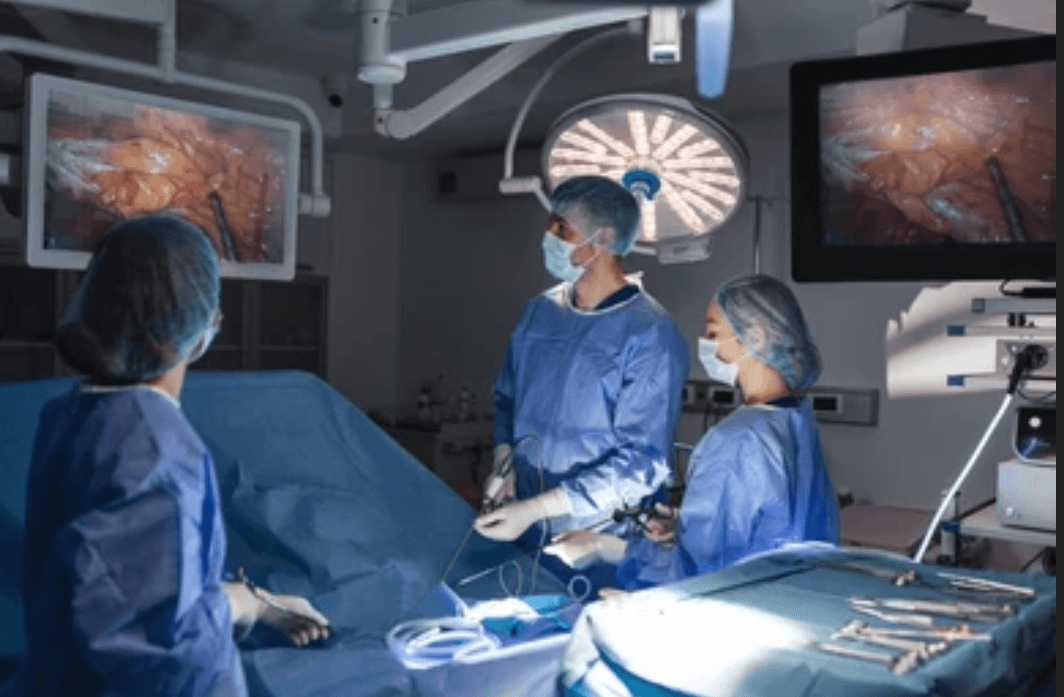
- Surgery: Minimally invasive laparoscopic surgery is generally a last resort. It is reserved for cysts that are very large, won't go away, or are causing pain and complications.
- Hormonal Therapy: Birth control pills or other medications might be prescribed to regulate her cycle and stop new cysts from forming.
The Expert Perspective
Experts like Dr. Meenakshi Banerjee emphasize that conservative management (waiting and watching) is usually the best first step. The goal is to avoid unnecessary surgery on young bodies, especially to prioritize and protect future fertility.
- When to See a Gynecologist: You should book an appointment if your or your daughter's symptoms are persistent, getting worse, or stopping you/her from doing the things you/she loves, like sports or schoolwork.
- The Bottom Line: Teenagers often have ovarian cysts as a normal part of growing up, and they normally don't cause any difficulties. Most young girls can fully recover and live healthy, active lives with the correct amount of testing, monitoring, and a calm attitude. Dr. Meenakshi Banerjee is a trustworthy gynecologist who can offer you a full checkup, take care of you, and help you stay fertile.

 COVID-19 Safe
 Patient Care
 Award Winning Doctors
 Advanced Facilities
 Experience
 Cost Effective
