Anal Abscess vs. Fistula: What You Need to Know
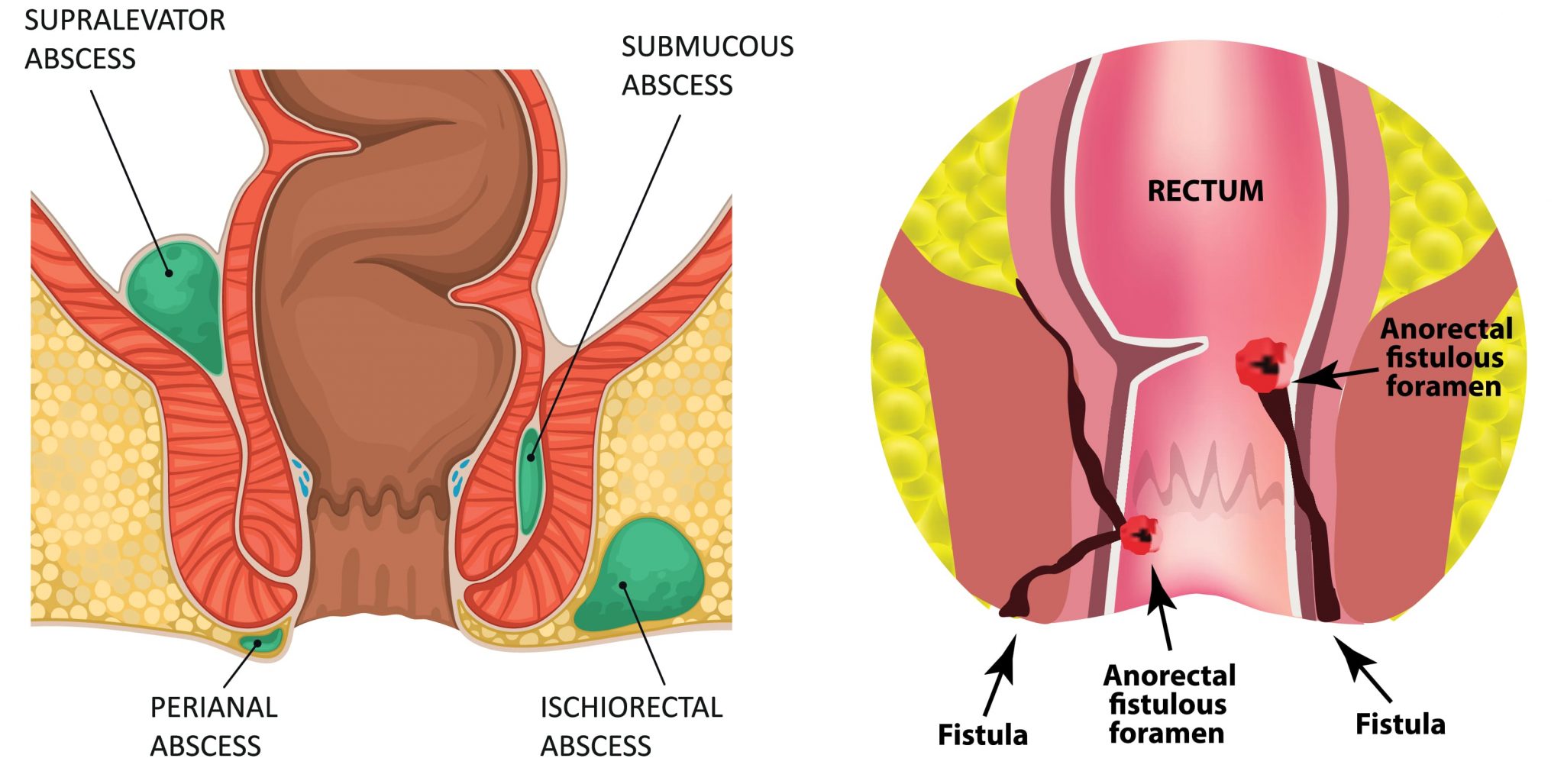
Two conditions often confused in anorectal health are anal abscess and anal fistula. Although related, they are not identical. Understanding the difference is important for timely diagnosis and treatment. Many delay seeking care due to embarrassment, but early consultation with a specialist like Dr Sandip can prevent complications and speed recovery.
What Is an Anal Abscess?
An anal abscess is a painful, pus-filled swelling near the anus or rectum caused when a small anal gland becomes infected. Pus collects as the infection progresses, producing a red, warm, swollen lump that is often very painful.
Common Symptoms of an Anal Abscess
- Sudden, severe pain around the anus
- Swelling, redness, or warmth in the area
- Fever or chills
- Painful bowel movements
- Discharge of pus if the abscess bursts
Anal abscesses usually require medical drainage; they do not resolve reliably on their own. Left untreated, an abscess can evolve into a fistula.
What Is an Anal Fistula?
An anal fistula is an abnormal tunnel connecting the inside of the anus or rectum to the skin near the anus. Most fistulas develop after an abscess has drained (naturally or surgically), leaving a persistent tract.
Common Symptoms of an Anal Fistula
- Persistent pus or blood drainage
- Recurrent swelling or infections
- Irritation or itching around the anus
- Pain when sitting or during bowel movements
- A small opening or hole near the anus
Fistulas do not heal on their own and typically require surgical management to close the tract and prevent recurrent infection.
How They Are Connected
An abscess and a fistula often represent stages of the same process. If an abscess is not adequately treated, about half may develop a fistula. Typical sequence:
- Infected anal gland ? abscess formation
- Abscess drains ? persistent tract remains
- Tract becomes a fistula
Early treatment of an abscess reduces the risk of fistula formation.
Causes and Risk Factors
Factors that increase risk include:
- Blocked anal glands
- Bacterial infections
- Inflammatory bowel disease (e.g., Crohn’s disease)
- Trauma to the anal area
- Chronic constipation or hard stools
- Diabetes or weakened immune system
Sometimes these conditions occur without an obvious risk factor, so specialist evaluation is important.
Treatment and Recovery
Anal Abscess
Treatment requires prompt drainage to remove pus and relieve pressure. Antibiotics alone are usually insufficient because they poorly penetrate the pus cavity. Drainage is typically performed under local or short general anaesthesia and heals quickly with proper wound care.
Anal Fistula
Fistula treatment depends on the tract’s course and complexity. Options include fistulotomy for simple fistulas, seton placement, laser therapy, or the LIFT procedure for more complex cases. Modern minimally invasive techniques aim to preserve sphincter function, reduce pain, and shorten recovery time. Centres like Pelvinic offer advanced treatments to improve outcomes.
Aftercare
Recovery varies by procedure and severity. Common aftercare tips:
- Warm sitz baths several times daily
- Maintain soft stools with fibre and fluids
- Avoid heavy lifting for a few days
- Keep the area clean and dry
- Follow up with your specialist
When to See a Doctor
Seek specialist care if you experience persistent anal pain, pus discharge, a painful lump, fever with anal pain, or recurrent infections. Early evaluation prevents progression and complications.
Conclusion
Anal abscesses and fistulas can be effectively treated, especially when identified early. If you notice signs of infection or continuous drainage, consult a specialist. At Pelvinic, Dr Sandip provides modern, personalised care for abscesses and fistulas to promote faster, safer recovery. Do not delay—schedule an appointment when you notice symptoms.

 COVID-19 Safe
 Patient Care
 Award Winning Doctors
 Advanced Facilities
 Experience
 Cost Effective
