Best Treatment Options for Endometriosis in 2025
Endometriosis is a chronic gynaecological disorder that occurs in millions of women around the world. It happens when the tissue that resembles the uterus is not in the uterus, and most times it can cause a lot of pain, abnormal cycles, and fertility problems. Endometriosis is not a rare disease, but it is not properly diagnosed, and many women suffer without a diagnosis.
By 2025, there will be more effective treatment options than at any other time, with the progress made in medical science. Whether it is medications or minimally invasive surgeries, knowing the optimal treatment plan can enable women to manage the symptoms, enhance their quality of life, and save their fertility.
Understanding Endometriosis
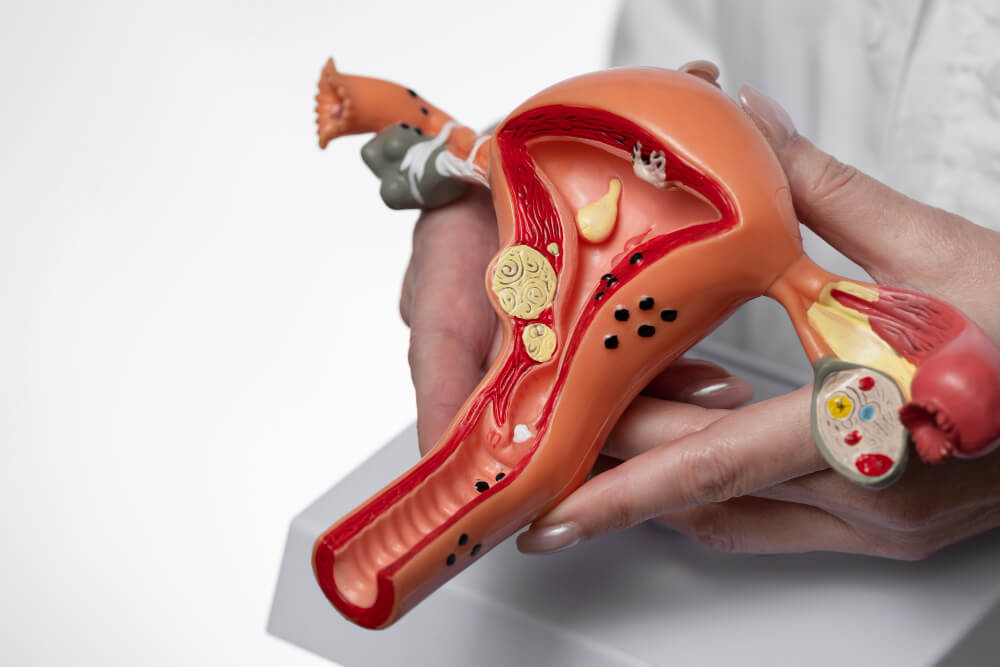
Before exploring treatment options, it is essential to understand the nature of endometriosis. The abnormal tissue growth can affect the ovaries, fallopian tubes, and pelvic lining. Symptoms vary among women, but common signs include:
- Painful periods (dysmenorrhea)
- Chronic pelvic pain
- Pain during or after sex
- Fatigue
- Infertility
- Digestive problems such as bloating or constipation
Medical Management Options
First-line treatment of endometriosis is often through medical treatment. These treatments are meant to minimize pain, decelerate the development of the disease, and control menstrual cycles.
Hormonal Therapy
Endometriosis symptoms can be treated significantly with the help of hormonal treatments. They act by regulating the oestrogens, which provoke the development of endometrial tissue. Typical hormonal treatments are:
- Combined Oral Contraceptives (COCs): These help control the periods and relieve pain because they inhibit ovulation.
- Progestin Therapy: Progestins are available in pills, injections, or intrauterine devices (IUDs) and lower the growth and bleeding of the endometrium.
- Gonadotropin-Releasing Hormone (GnRH) Agonists and Antagonists: These are drugs that cause a temporary state of menopause, which lowers oestrogen and alleviates the effects of severe symptoms.
Pain Management
Mild to moderate pains can be treated with over-the-counter drugs such as nonsteroidal anti-inflammatory drugs (NSAIDs). In other instances, more powerful analgesic prescriptions might even be required with the advice of a gynaecologist.
Fertility Treatments
Fertility-oriented medical management could assist women with endometriosis who have been having difficulties with infertility. Assisted reproductive techniques, like in vitro fertilisation (IVF) used together with hormonal stimulation, can make it a lot easier to conceive.
Surgical Treatment Options
In case of severe symptoms, medical treatment might not suffice. Surgery is used to treat endometrial lesions, adhesions, and cysts, which offer relief of symptoms, as well as increased fertility.
Laparoscopic Surgery
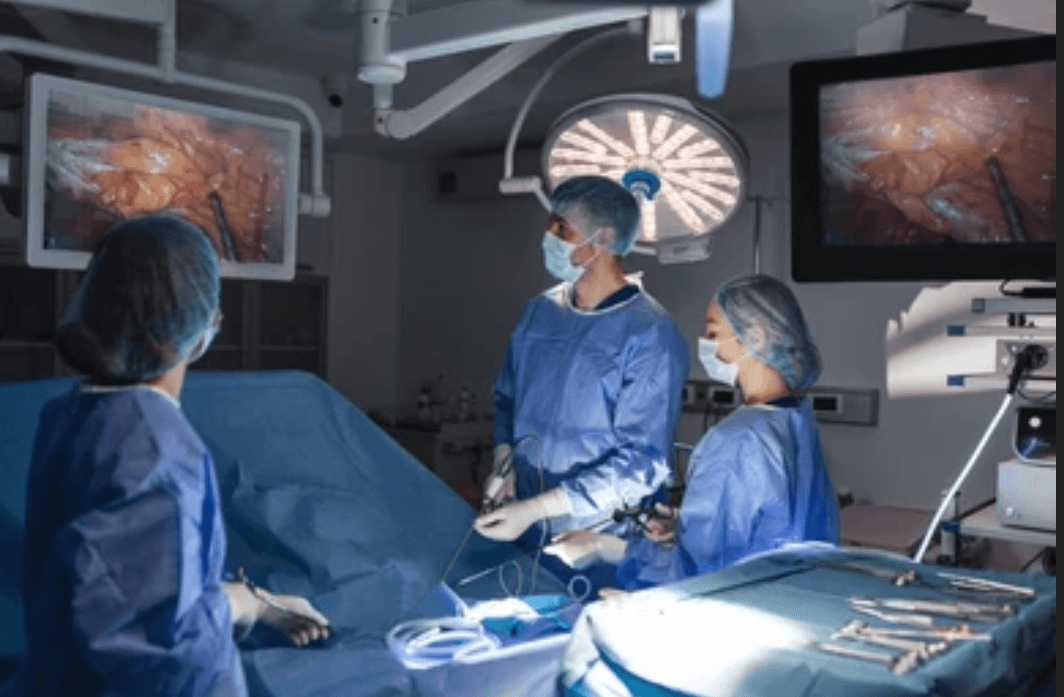
Laparoscopy is a minimally invasive treatment that involves small cuts that enable the removal or destruction of endometrial tissue. It is less painful, faster to heal, less complicated, and fertility-preserving, so it is used as a preferred treatment for most cases of endometriosis.
Laparotomy
Open surgical procedure in the form of laparotomy is applied in some rare cases of widespread endometriosis of various organs. Recovery is slower, but it enables the surgeon to reach and excise challenging lesions, enhancing symptom relief and overall results in complex cases.
Hysterectomy
Hysterectomy entails the removal of the uterus or, in some cases, the uterus and ovaries in women who have had severe endometriosis but who do not want to have children anymore. It gives good symptom relief, especially in chronic pain, but it terminates the chances of getting pregnant again.
Lifestyle and Complementary Approaches
Symptom management can be enhanced with lifestyle interventions and complementary therapies, along with medical and surgical interventions.
Diet and Nutrition
The anti-inflammatory diets that are high in fruits, vegetables, whole grains, and omega-3 fatty acids might lower the inflammation caused by endometriosis. Symptoms can also be relieved by avoiding processed food and overconsumption of sugar.
Physical Activity
Regular exercise enhances blood flow, relieves stress, and is used in dealing with chronic pain. Swimming, yoga, walking, and similar low-impact activities are very useful.
Alternative Therapies
Pelvic floor therapy, physiotherapy, and acupuncture can be used as a complement to the conventional treatment methods in alleviating pain and enhancing mobility and well-being.
Advances in 2025
In 2025, the treatment landscape for endometriosis will have become more patient-centric. Innovations include:
- Targeted hormonal therapies with fewer side effects
- Improved laparoscopic techniques for precise lesion removal
- Minimally invasive fertility-preserving procedures
- Digital monitoring and telemedicine for follow-up care
These advancements help women manage endometriosis effectively while maintaining their quality of life.
When to Consult a Gynaecologist
In case of chronic pain in the pelvis, heavy bleeding, or infertility issues, it is important to see a gynaecologist as soon as possible. Early treatment will help to halt the disease and enhance treatment.
The Pelvinic Floor Clinic is led by the doctor, Meenakshi, who focuses on the diagnosis and treatment of endometriosis. In a personalised, humane manner, she takes the patients through medical and surgical procedures with the primary focus on their overall well-being and fertility.
In 2025, relief can be achieved with modern treatment options available. Call Dr Meenakshi at The Pelvinic Floor Clinic today to design a treatment plan that is specific to you.

 COVID-19 Safe
 Patient Care
 Award Winning Doctors
 Advanced Facilities
 Experience
 Cost Effective
