Beyond the Period Pain: Recognizing the Symptoms of Ovarian Endometriosis
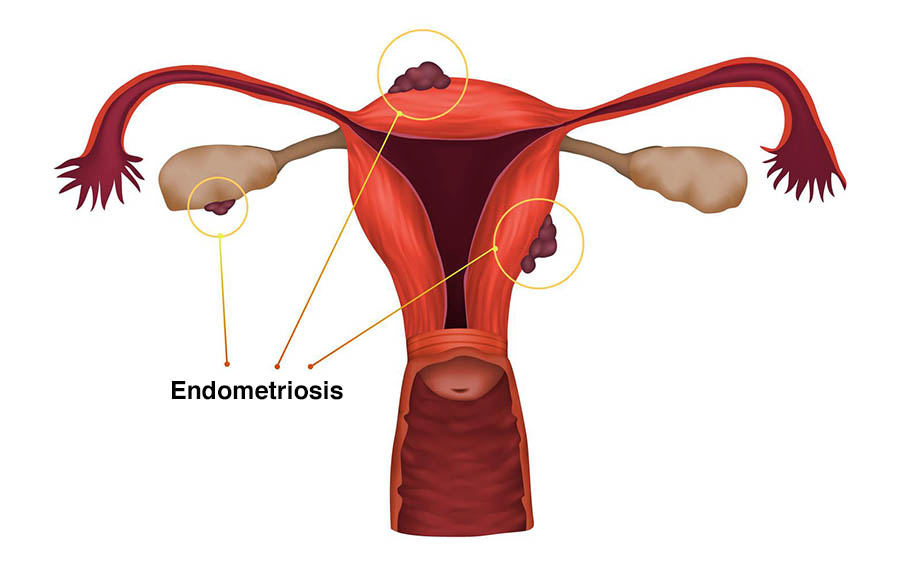
When individuals discuss period pain, they often assume it is normal. However, when pain is acute, recurring, and disruptive to daily life, it may indicate ovarian endometriosis. Many women live for years with this condition without understanding the cause of their discomfort. Early recognition of symptoms can lead to prompt diagnosis, effective treatment, and a better quality of life. This guide helps you recognize symptoms of ovarian endometriosis, how it impacts health, and when to consult a medical professional.
What Is Ovarian Endometriosis?
Ovarian endometriosis occurs when endometrial-like tissue (normally lining the uterus) implants on or within the ovaries. These growths can form cysts called endometriomas, causing pain, inflammation, and fertility difficulties. The pain often extends beyond menstruation and typically worsens over time, unlike ordinary menstrual cramps.
1. Persistent Pelvic Pain
Continuous pelvic pain is a key sign. It can be sharp, dull, or aching on one or both sides of the pelvis. This discomfort may be constant and worsen during certain activities, intercourse, or exercise. Persistent pain that disrupts daily functioning warrants evaluation by a doctor.
2. Severe Menstrual Pain
Ovarian endometriosis is linked to menstrual pain that is far more severe than typical cramps. Pain may begin days before bleeding, peak during menstruation, and continue afterward. Painkillers often provide limited relief and the pain can interfere with sleep, work, and daily activities.
3. Pain During Intercourse
Dyspareunia (pain during sex) is a common but under-discussed symptom. Deep penetration can be painful due to inflammation and adhesions around pelvic organs. Pain during or after intercourse that recurs should prompt specialist evaluation.
4. Abdominal Discomfort and Bloating
Inflammation and hormonal effects can cause bloating, a feeling of fullness, and abdominal heaviness. These symptoms are often mistaken for digestive disorders such as IBS. If bloating recurs around your menstrual cycle or does not improve with dietary changes, consider endometriosis as a possible cause.
5. Painful Ovulation
Ovulation may be accompanied by sharp, one-sided lower abdominal pain that can radiate to the back or thigh. If ovulation pain is severe, recurrent each month, and interferes with activities, endometriosis could be the reason.
6. Unexplained Infertility
Ovarian endometriosis is a common, often silent contributor to infertility. It can affect egg quality, disrupt ovulation, and cause cysts or adhesions that interfere with conception. If you have not conceived after one year of trying (or six months if over 35), evaluation for endometriosis may be appropriate.
7. Bowel or Urinary Changes
Endometriosis near the bladder or bowel can cause painful urination, urinary urgency, constipation, diarrhea, or pain during bowel movements—often worse during periods. These symptoms can mimic urinary or digestive infections, so persistent cyclical changes should prompt assessment.
8. Lower Back and Leg Pain
Inflammation may spread beyond the pelvis, causing chronic lower back, hip, or leg pain. Cyclical back or leg pain that does not respond to usual treatments can be associated with endometriosis rather than musculoskeletal causes.
Take the First Step Towards Relief
Chronic or unexplained symptoms are not something you must accept as normal. Timely assessment can make a significant difference. Consult Dr Meenakshi at the Pelvinic Clinic to review your symptoms and obtain an accurate diagnosis and personalised treatment plan.

 COVID-19 Safe
 Patient Care
 Award Winning Doctors
 Advanced Facilities
 Experience
 Cost Effective
