Can Gallstones Recur After Laparoscopic Surgery ?
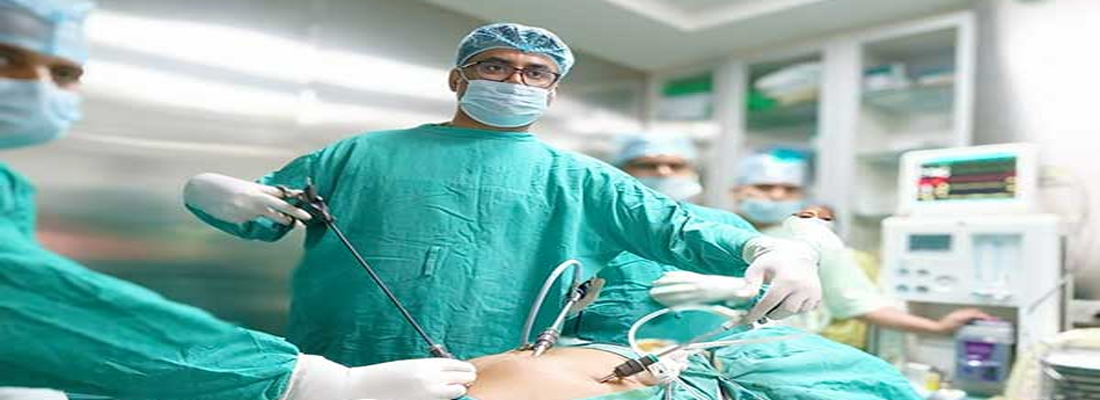
Gallstones appear as hardened pieces of bile that develop inside the gallbladder, which rests beneath the liver. The presence of painful stones in the body leads physicians to perform laparoscopic surgery for their extraction.
Laparoscopic surgery represents the preferred treatment option for gallstones because it enables fast recovery and minimal scarring. Post-laparoscopic surgery patients frequently ask whether their gallstones can come back.
The following text examines gallstone recurrence after laparoscopic surgery together with its explanations and prevention methods. Your path to complete health begins with visiting a qualified Laparoscopic surgeon in South Delhi who will guide your recovery process.
Can Gallstones Recur After Laparoscopic Surgery?
The medical evidence shows that gallstones can reappear following laparoscopic surgery, but the occurrence happens infrequently. Multiple elements serve as causes which lead to the reemergence of gallstones. Let’s explore them below:
- Residual Gallstones – Small fragments of stones have a chance of getting stuck in bile ducts during laparoscopic gallbladder surgery. Small stones that remain unnoticed during surgical procedures can grow or block bile ducts, which results in gallstone-like symptoms in the long term.
- Bile Duct Stones (Choledocholithiasis) – After a gallbladder removal procedure, patients retain their bile ducts, which function to transfer bile into the intestines. The composition or flow alterations in these ducts can cause stone formation within them. The medical condition known as choledocholithiasis emerges months or years after a patient receives surgical intervention.
- Formation of Bile Sludge – Some patients develop bile sludge, which contains thickened bile components that may eventually form solid stones. Bile sludge functions as a non-gallstone entity but causes equivalent symptoms and duct blockages that trigger bile duct inflammation.
- Poor Dietary Habits – The digestive system alters its functions following surgical removal of the gallbladder. Medical professionals instruct patients to follow diets that contain few fats and abundant fiber content. Bile duct stone formation risk rises when individuals fail to follow diet recommendations provided by medical staff.
- Other Medical Conditions – Health conditions that include diabetes, liver disease, and obesity accelerate the formation of bile duct stones or gallstones after removing the gallbladder. Abnormal bile composition that results from these medical conditions directs the stones to persist.
How to Prevent Gallstone Recurrence After Surgery?
Laparoscopic surgery patients can take various preventive measures to reduce their chances of gallstone recurrence. The following prevention guidelines can help prevent gallstone occurrences:
- Follow a Healthy Diet – A diet that combines balanced nutrition with low fat content will help both bile functions and new stone development. The diet plan should contain fiber-rich fruits, vegetables, and whole grains because eating fatty or greasy foods or anything fried will disrupt both digestion and bile flow.
- Maintain a Healthy Weight – Medical science has established obesity as a primary contributor to the development of gallstones inside the human body. Regular exercise involving walking, swimming, or cycling helps prevent complications such as bile sludge post-surgery by keeping your weight healthy.
- Stay Hydrated – The human body creates and distributes healthy bile when people drink enough water throughout their daily routine. When hydrated properly, bile stays thin and lessens the chance of sludge formation or new stones developing in the body.
- Avoid Rapid Weight Loss – Live management of your weight remains vital, yet rapid weight loss methods, including crash diets, heighten your risk for developing gallstones. A person should lose weight in stable amounts through exercise and eating a nutritious diet.
- Follow Post-Surgery Recommendations – A general surgeon located in South Delhi will outline particular instructions regarding your recovery. Dietary modifications combined with activity protocols and follow-up visits constitute essential components for avoiding complications while ensuring a smooth postoperative recovery.
- Consider Medications (If Advised) – Your doctor can give you medicine to minimize stone development risks in particular medical situations. Special attention and careful treatment should be given to patients who have significant risk factors or metabolic medical conditions.
- Schedule Regular Check-Ups – Scheduling routine visits with your laparoscopic surgeon in South Delhi helps both monitor bile flow and detect early warning signals and manage postoperative issues. Before symptoms become severe, the diagnostic test known as ultrasound can find new stone formation.
When to See a Doctor
Even after gallbladder surgery, seek immediate medical care from a General surgeon in South Delhi if persistent abdominal pain, nausea, vomiting, or yellow skin combined with eye discoloration known as jaundice appears. Dealing with these symptoms indicates potential complications, including bile duct stones or infections that need immediate medical care.
Dr. Sandip provides expert diagnosis and treatment for gallstone complications so he can help you understand how to recover and protect against additional stones.
Conclusion
Following appropriate preventive actions after laparoscopic surgery leads to a low risk of gallstones returning. A healthy diet in combination with regular medical checkups and weight management strategies helps prevent complications from recurring.
You should schedule an appointment with a trusted Laparoscopic surgeon in South Delhi or a general surgeon in South Delhi for ongoing symptoms or to discover strategies to avoid gallstone recurrence. Your recovery success and long-term health depend on the proactive steps you take following the removal of gallstones.
Dr. Sandip Surgeon in South Delhi serves as an expert advisor who guides post-surgical health management and future prevention strategies. Whether it’s follow-up care after surgery or managing gallstone-related issues, our expert team, led by Dr. Sandip, is here to help.

 COVID-19 Safe
 Patient Care
 Award Winning Doctors
 Advanced Facilities
 Experience
 Cost Effective
