How Lifestyle and Diet Can Help Manage Ovarian Cysts

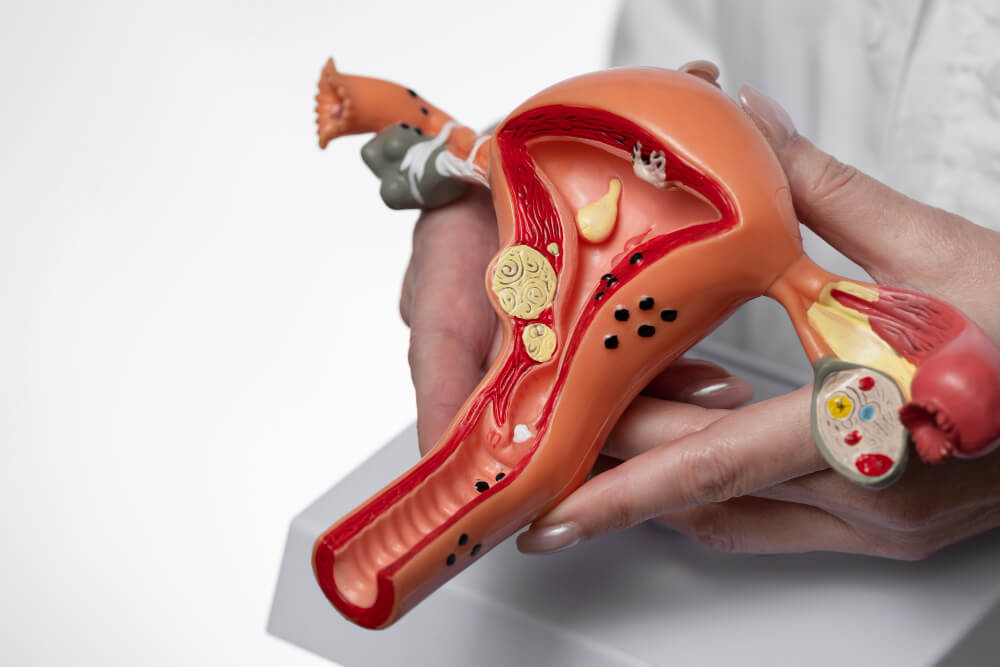
Ovarian cysts are fluid-filled sacs that develop in the ovaries. Although they may be experienced by many women at some time or another, not all cysts have symptoms. Nevertheless, others may cause discomfort and bloating, irregular periods, and hormonal imbalances.
The treatment of ovarian cysts usually requires medical care, but the appropriate lifestyle and dieting patterns can also be critical in alleviating the symptoms and contributing to the overall reproductive health.
Ovarian Cysts: What to Know
Ovarian cysts are categorised as different and mild. The most common are functional cysts, which are usually harmless and may resolve on their own within a few menstrual periods. Others, such as dermoid cysts or endometriomas, can necessitate medical treatment. Depending on the size and type of the cyst, the symptoms may be mild, with pain in the pelvis, or severe, with pain and discomfort.
Although surgery or medication can be required in certain situations, lifestyle and dietary changes can be used to complement medical treatment and prevent complications.
1. Hormonal Health Diet
Ovarian cysts are commonly associated with hormonal imbalance, especially in such a disorder as polycystic ovary syndrome (PCOS). Regulation of hormones and cyst formation can be achieved by consuming a balanced diet that has high amounts of whole foods.
- Add more fibre: Whole grains, fruits, and vegetables aid in eliminating too much oestrogen in the body, which can contribute to the formation of cysts.
- Intake lean sources of protein: Fish, chicken, and legumes are also good sources of protein and contain no unhealthy fats.
- Choose healthy fats: Omega-3 fatty acids present in salmon, flaxseeds, and walnuts have been shown to decrease inflammation, which can help with the pains related to cysts.
- Restrict processed and sugary foods: Refined sugar and processed food might elevate insulin levels, and this is associated with ovarian cysts in women with PCOS.
2. Maintain a Healthy Weight
Excessive or reduced weight may cause an imbalance in the hormones, and this may predispose one to ovarian cysts. Esteemed weight due to proper diet and exercise maintains balance in the levels of oestrogen and insulin and decreases the risk of cyst formation. Even a small decrease in weight in overweight women with PCOS has been demonstrated to increase ovarian functioning and decrease cysts.
3. Regular Exercise
There are several advantages of exercising among women with cysts in the ovaries. Exercise helps:
- Control menstrual periods through hormonal balance.
- Lessen insulin resistance, especially in women with PCOS.
- Enhance blood flow and minimize bloating or pelvic pain.
- Promote general wellbeing, which may be influenced by chronic pain or hormonal fluctuations.
Sports such as brisk walking, swimming, yoga, and Pilates are soft on the body, and they enhance hormonal balance and pelvic health.
4. Stress Management
Stress has the potential to alter the amount of hormones in the body, especially cortisol, which can influence the ovarian functions indirectly. Stress management with meditation, deep breathing workouts, yoga or hobbies may decrease hormonal imbalance that could lead to the development of cysts. The need to sleep and relax should also be on the priority list since lack of sleep may aggravate hormone-related problems.
5. Herbal and Nutritional Support
Some of these herbs and supplements can be used to promote the health of the ovary, but they must be taken under medical guidance. For instance:
- Spearmint tea: Could potentially lower the level of androgen in women.
- Vitex (Chasteberry): Can help balance hormones and regulate menstruation.
- Magnesium and Vitamin D: They both are involved in the regulation of insulin and hormonal activity.
Before taking any supplements, it is worth talking to your doctor about them, as they can be incompatible with medicines or other interventions.
6. Regular Medical Checkups
Lifestyle and diet are helpful in promoting ovarian health; however, they cannot substitute professional care. The frequent gynaecological examinations are beneficial in keeping track of cysts, early detection of complications, and also decision-making in treatment. Ultrasound examination and blood tests are frequently commissioned to monitor the size of cysts and hormone concentration.
7. Dehydration and Detoxification
Drinking lots of water also helps in the elimination of toxins and in the proper functioning of the liver, which is necessary in the metabolism of hormones. A properly functioning liver can assist in sustaining a more balanced hormone count, decreasing the chance of the development of cysts.
Conclusion
Treatment of ovarian cysts is a combination of medical and lifestyle treatment, and dietary supplements. Hormonal balance and ovarian well-being can be achieved by a healthy diet, exercise, stress reduction, and weight maintenance. Such changes could not be a cure for cysts but could mitigate their symptoms, deter their recurrence, and enhance general health.
Women with chronic pain, bloating, or irregular menstruation should see a medical professional as soon as possible. The essential point in preventing complications and ensuring reproductive health is early diagnosis and active management.
Dr Meenakshi points out that a combination of these lifestyle practices with doctor instructions would make a great change for women with ovarian cysts. To have a professional assessment and personal support, visit the Pelvinic Clinic to speak about your symptoms and receive expert advice on managing ovarian cysts.


 COVID-19 Safe
 Patient Care
 Award Winning Doctors
 Advanced Facilities
 Experience
 Cost Effective
