Inguinal Hernia: Laparoscopic Repair Options (TAPP vs. TEP)

In an inguinal hernia, a segment of tissue—usually intestine—protrudes through a weakness in the lower abdominal muscles. It is more common in men and typically appears as a groin lump with pain or discomfort, especially during activity. Laparoscopic repair is a less invasive alternative to open surgery and commonly uses either TAPP (Transabdominal Preperitoneal) or TEP (Totally Extraperitoneal) techniques.
What is Laparoscopic Hernia Repair?
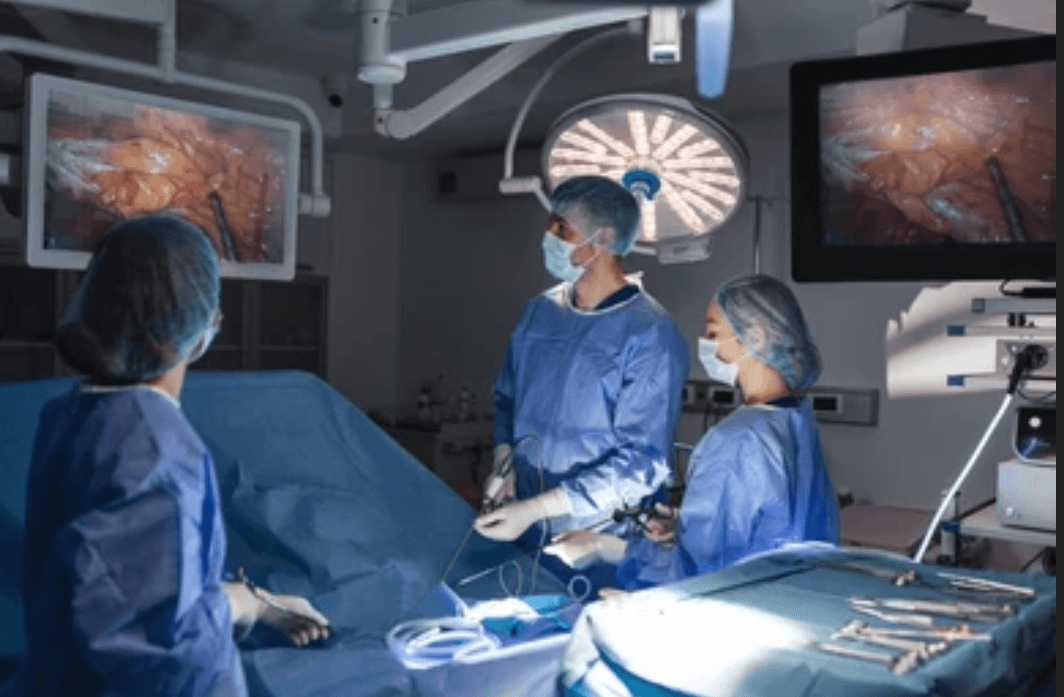
Laparoscopic hernia repair uses small abdominal incisions for a camera and instruments. A synthetic mesh is placed to reinforce the abdominal wall and reduce recurrence. Compared with open surgery, laparoscopy generally means less postoperative pain, smaller scars, and faster return to normal activities.
Transabdominal Preperitoneal (TAPP) Repair
In TAPP the surgeon enters the abdominal cavity, inspects the hernia from inside the peritoneum, places mesh over the defect, and then closes the peritoneum over the mesh.
Advantages of TAPP
- Excellent visualization of the abdominal cavity and surrounding structures
- Convenient for bilateral hernias—both groins can be assessed and repaired in one operation
- Useful for recurrent or complicated hernias where prior surgery alters normal planes
- Helps identify occult defects (e.g., femoral hernias)
- Facilitates precise mesh placement
Totally Extraperitoneal (TEP) Repair
TEP avoids entering the abdominal cavity by creating a working space in the preperitoneal plane. Mesh is placed directly over the hernia defect without breaching the peritoneum.
Advantages of TEP
- No entry into the abdominal cavity—lower risk to intra?abdominal organs
- Typically less postoperative pain due to reduced peritoneal disruption
- Often faster recovery and return to activity
- Lower likelihood of adhesions
- Smaller incisions and good cosmetic result
TAPP vs TEP — Key Comparison
- Access: TAPP — abdominal cavity; TEP — preperitoneal space
- Risk of organ injury: TAPP — slightly higher; TEP — lower
- Ideal for bilateral/recurrent hernia: TAPP — yes; TEP — possible but more technically challenging
- Recovery time: TAPP — slightly longer; TEP — often faster
- Technical difficulty: TAPP — moderate; TEP — higher
Recovery and Aftercare
After laparoscopic repair most patients can walk the same day. Common recommendations:
- Avoid heavy lifting for 2–4 weeks
- Use prescribed pain medication as directed
- Maintain a fibre?rich diet and hydration to avoid constipation
- Attend follow?up to confirm proper healing
Many patients resume normal activities in 1–2 weeks; full recovery and return to strenuous exercise may take 4–6 weeks.
Conclusion
Laparoscopic inguinal hernia repair (TAPP and TEP) offers effective, minimally invasive options. Choice between techniques depends on hernia characteristics, prior surgeries, patient anatomy, and surgeon expertise. Consult a qualified laparoscopic surgeon to determine the best approach.
For expert assessment and laparoscopic hernia repair, consult Dr. Sandip at Pelvic Clinic to discuss personalised treatment options and book an appointment.


 COVID-19 Safe
 Patient Care
 Award Winning Doctors
 Advanced Facilities
 Experience
 Cost Effective
