Ovarian Cyst vs PCOS: Understanding the Difference
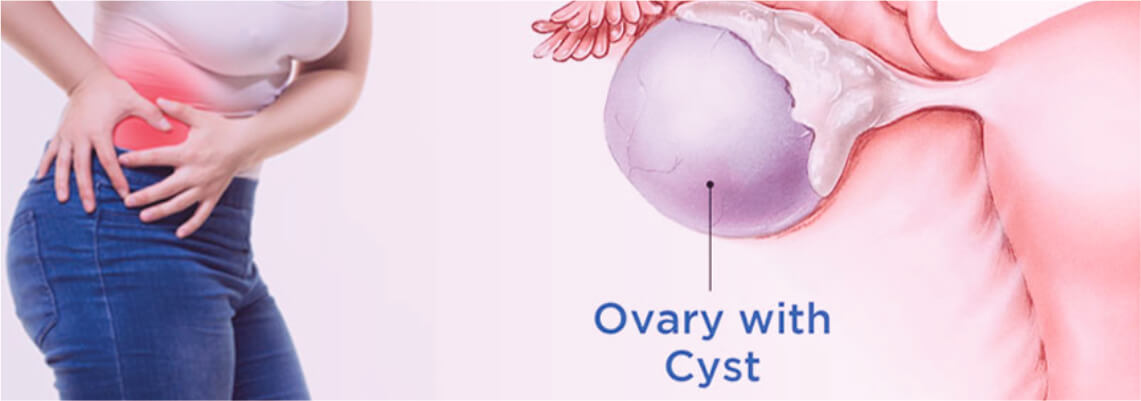
Menstrual cycles, hormones, and the reproductive health of women usually undergo numerous changes. Ovarian cysts and PCOS (Polycystic Ovary Syndrome) are two conditions commonly referred to and used interchangeably. Even though they both engage the ovaries, they differ significantly in terms of causes, symptoms, and treatment of the diseases. Knowing the distinction can enable women to make sound health choices and provide medical attention promptly.
Dr Meenakshi, in The Pelvinic Floor Clinic, is a specialist in women's reproductive health, and she is determined to offer correct diagnoses and treatment for issues such as ovarian cysts and PCOS.
What Is an Ovarian Cyst?
An ovarian cyst is a fluid-filled sac that develops on the side or within an ovary. It is a prevalent disease, particularly in women of reproductive age. In most instances, ovarian cysts form and are normal during the menstrual cycle and are not accompanied by any symptoms.
The majority of cysts are benign and require no treatment since they disappear in a few weeks or months. Other cysts may become bigger and can lead to pain in the pelvis, bloating, and abnormal periods or pain during normal activities. Routine gynaecological examinations will facilitate the early diagnosis and subsequent care when necessary.
Types of Ovarian Cysts
There are various types of ovarian cysts according to their cause and nature. The majority of them are benign, and it is possible to know the type to treat them accordingly.
Functional Cysts
These typical cysts develop in the course of the menstrual cycle in case of altered ovulation. Follicular or corpus luteum cysts tend to resolve themselves spontaneously in the course of several cycles.
Dermoid Cysts
Dermoid cysts are hereditary and can include hair, skin or fat. They are slow-growing and can be subjected to surgery in case they are large or uncomfortable.
Cystadenomas
Cystadenomas are benign tumours of ovarian tissue and are distended with fluid or mucus. They are capable of increasing with time, and they can bring pain or abdominal pressure.
Endometriomas
The endometriomas occur as a result of endometriosis, where the uterine-like tissue is developed outside the uterus and is usually accompanied by pain in the pelvis, most particularly during menstruation.
Symptoms of Ovarian Cysts
- Mild pelvic pain or discomfort
- Bloating or abdominal swelling
- Pain during intercourse
- Irregular menstrual cycles in some cases
What Is PCOS?
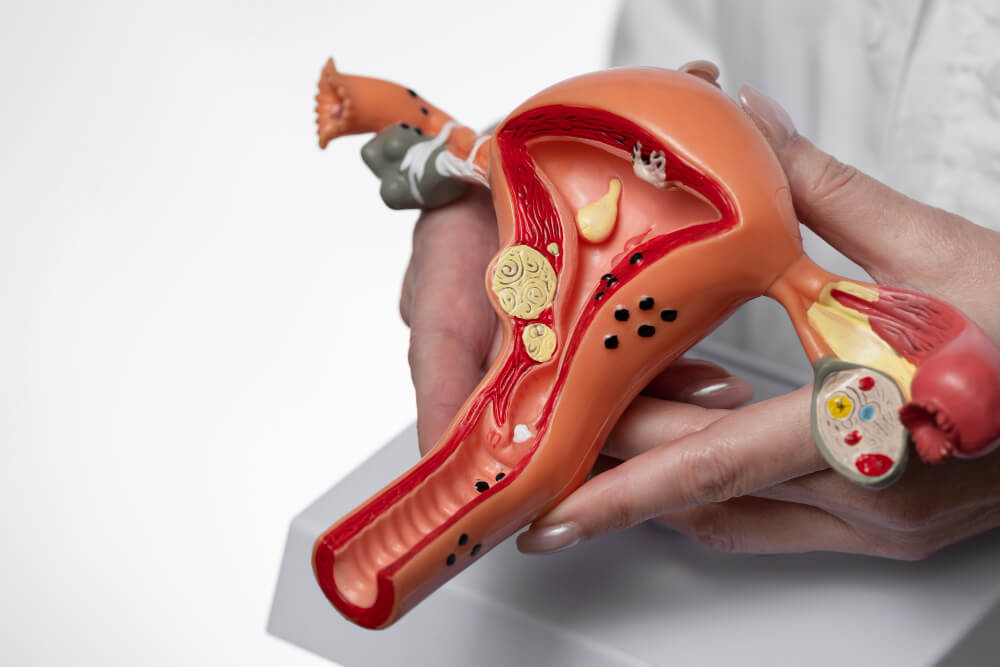
Polycystic Ovary Syndrome (PCOS) is a frequent hormonal problem experienced by women in their reproductive age. It is typified by hormonal disequilibrium, unregulated ovulation, and a number of small cysts of the ovaries. As opposed to a single ovarian cyst, PCOS is a chronic disease that affects more than the ovaries.
It may result in irregular or missed menstruation, conception problems, weight gain, acne, and excess hair. It is also possible that PCOS can influence the metabolism and predispose patients to diabetes and other health conditions, which means that early diagnosis and appropriate treatment are critical.
Key Features of PCOS
- Presence of multiple small cysts on the ovaries (seen on ultrasound)
- Hormonal imbalance, including higher levels of androgens (male hormones)
- Irregular or absent periods
- Symptoms such as acne, excessive hair growth, and weight gain
When to See a Gynaecologist
Women experiencing any of the following should consult a gynecologist:
- Persistent pelvic pain or discomfort
- Irregular menstrual cycles or missed periods
- Unexplained weight gain or difficulty losing weight
- Excessive hair growth, acne, or hair thinning
- Infertility or difficulty conceiving
Treatment Approaches
For Ovarian Cysts
- Monitoring: Many cysts resolve naturally within a few menstrual cycles.
- Medication: Hormonal contraceptives can prevent new cyst formation.
- Surgery: Recommended for large, persistent, or symptomatic cysts.
For PCOS
- Lifestyle Modifications: A healthy diet, regular exercise, and weight management are crucial.
- Medications: Hormonal therapy, insulin-sensitising drugs, and fertility treatments if pregnancy is desired.
- Ongoing Monitoring: Regular check-ups to manage symptoms and prevent long-term complications.
Dr Meenakshi at The Pelvinic Floor Clinic provides personalised treatment plans for both ovarian cysts and PCOS, ensuring each patient receives care tailored to her needs.
Conclusion
Although ovarian cysts and PCOS are both related to the ovaries, the causes and symptoms of both, as well as treatment, differ greatly. Ovarian cysts are mostly harmless and temporary in nature, but PCOS is a long-term hormonal illness that can impair various facets of the well-being of a woman. Realising the symptoms and consulting a doctor early enough can be an important solution in the control of these conditions.
In case you have irregular periods, pelvic pain or any of the symptoms listed above, do not wait. The Pelvinic Floor Clinic with Dr Meenakshi should be consulted to seek professional advice and individualised care. Early detection and intervention can help you live a healthy and comfortable life.

 COVID-19 Safe
 Patient Care
 Award Winning Doctors
 Advanced Facilities
 Experience
 Cost Effective
