Ovarian Cysts and Pregnancy: What You Need to Know
Pregnancy is a thrilling experience, yet it may be accompanied by some unpleasant surprises. Several of these issues include ovarian cysts, which affect many women. The mention of the word 'cyst' in pregnancy is some cause for concern, though the positive news is that most ovarian cysts are harmless and have no effect on pregnancy.
To feel more confident and informed, it is possible to find out what ovarian cysts are, how they affect pregnancy, and when medical attention is required. Dr Meenakshi is a qualified expert who helps women to deal with ovarian cysts safely and effectively at the Pelvinic Clinic to ensure the health of the mothers and the babies.
What Are Ovarian Cysts?
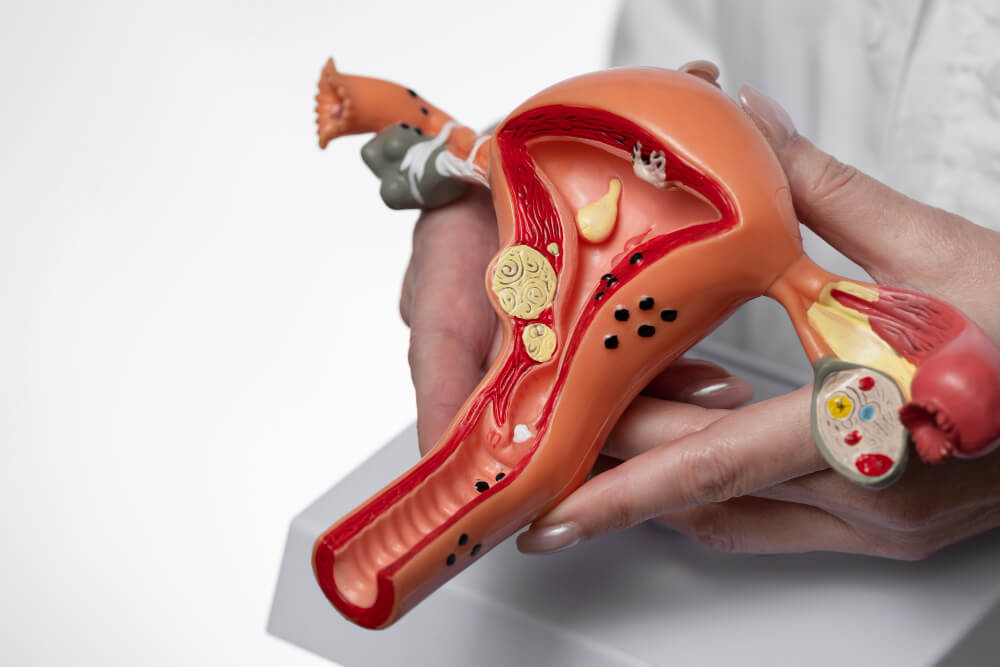
Ovarian cysts consist of sacs of fluid developing on or within the ovaries. They are rather widespread and frequently occur in the normal menstrual cycle. Ovarian cysts are common in women, even though many women have them without knowing it.
Ovarian cysts are normally detected during regular ultrasound processes in the course of pregnancy. Most of them are small, painless, and do not need any treatment to resolve on their own.
Types of Ovarian Cysts in Pregnancy
Ovarian cysts are not alike. The most frequent ones observed in pregnancy are:
Functional Cysts
The most prevalent type of cyst in the ovary is a functional cyst. They occur in cases where the ovary releases an egg and tend to resolve spontaneously after a few weeks or months, and are seldom complicated or result in pregnancy.
Corpus Luteum Cysts
Corpus luteum cysts are developed as a result of ovulation and are important in supporting early pregnancy through progesterone production. The majority of them are naturally harmless and usually disappear by the second trimester, and they rarely cause symptoms or need intervention.
Dermoid Cysts
Dermoid cysts are benign tumours which may include hair, fat, or skin tissues. They tend to grow gradually and have to be observed in pregnancy to make sure that they do not become too big and cause any complications.
Endometriomas
Endometriosis is a disease related to endometriomas. Less frequent in pregnancy, they may at times be painful or difficult. The cyst may have to be monitored closely and checked regularly so that it does not spread to the mother or the developing baby.
Treatment of Ovarian Cysts during Pregnancy
The majority of ovarian cysts during pregnancy are non-malignant, and they spontaneously disappear. Certain conditions might require treatment to avoid complications such as pain, cyst rupture, or ovarian torsion. The treatment is based on the type, the size, and the symptoms of the cyst.
Watchful Waiting
Small and simple cysts do not need urgent treatment. Doctors observe them by conducting frequent ultrasounds to help them naturally reduce. The method does not cause undue intervention and provides safety for the mother and foetus during pregnancy.
Pain Management
Cyst-related mild discomfort may be treated by rest, supportive care, and pregnancy-safe drugs. This assists in keeping the pregnancy comfortable daily without disturbing it whilst keeping the cyst monitored regularly in case of any changes.
Surgical Intervention
Surgery is infrequently necessary but can be advised in case of a large cyst, which can be very painful, or in case of risk of twisting or rupture. In this case, surgery is normally planned in the second trimester, and it is also the safest time in pregnancy.
Close Monitoring
There are cysts that need more frequent check-ups, such as the dermoid cyst and endometriomas. Monitoring will help identify any growth or complications early so that intervention can be performed in time in case of need, without exposing the mother and baby to any risks.
Can Ovarian Cysts Affect Fertility or Delivery?
Most ovarian cysts do not affect fertility or the ability to deliver normally. Vaginal delivery is often possible unless the cyst blocks the birth canal or causes complications.
Your doctor will assess the situation closer to delivery and guide you on the safest option.
When Should You See a Doctor?
You should consult a specialist if:
- You have persistent pelvic pain.
- The cyst grows larger over time.
- You experience sudden, severe abdominal pain.
- You have concerns about pregnancy complications.
Early consultation helps prevent complications and ensures peace of mind.
Expert Care Matters
Managing ovarian cysts during pregnancy requires experience, careful monitoring, and compassionate care. Dr Meenakshi provides personalised treatment plans that prioritise your health and your baby's safety.
If you have concerns about ovarian cysts during pregnancy or need expert guidance, don't wait. With the right care and timely support, most ovarian cysts can be managed safely, allowing you to focus on a healthy and happy pregnancy.
Book your consultation today at Pelvinic Clinic.

 COVID-19 Safe
 Patient Care
 Award Winning Doctors
 Advanced Facilities
 Experience
 Cost Effective
