The Difference Between Internal and External Hemorrhoids
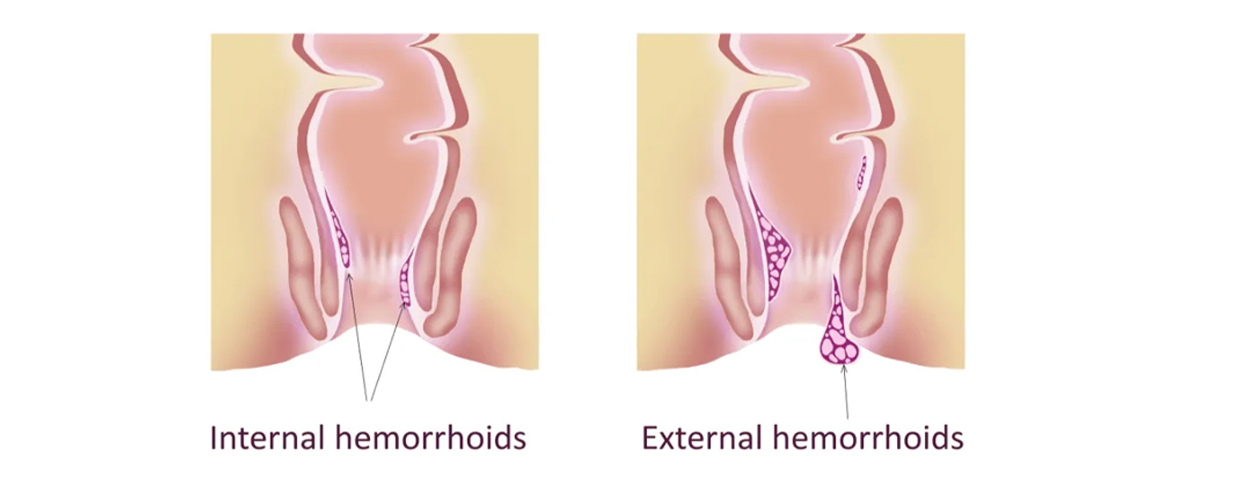
Piles, also referred to as haemorrhoids, are a very common health condition. Most individuals are victims without speaking out due to shame about discussing the matter. They can be fully treated, provided that they are properly diagnosed.
Haemorrhoids are the swollen veins around the rectum and the anus. They may result in pain, irritation, itching, bleeding, and hardships during the passing of stool.
Haemorrhoids come in two major stages: internal haemorrhoids and external haemorrhoids. Although they both influence the same area, their symptoms, level of pain, and treatment may vary.
What Are Internal Haemorrhoids?
Internal haemorrhoids occur within the rectum, where the number of pain-sensing nerves is minimal. Due to this reason, they do not tend to cause pain in the initial stages.
Typical signs of internal haemorrhoids:
- It causes painless blood loss when passing bowels.
- Blood in the toilet or toilet paper that is bright red.
- The sensation of incomplete bowel movement.
- Mild discomfort or pressure
Internal haemorrhoids may prolapse in certain situations or protrude out of the anus. When that occurs, it can lead to irritation, itching, or mild pain.
What are External Haemorrhoids?
The external haemorrhoids develop beneath the skin around the anus. This is the region that contains numerous pain receptors, and the external haemorrhoids tend to be more painful as compared to internal haemorrhoids.
Typical External Haemorrhoid Symptoms:
- Burning or pain on the side of the anus.
- Swelling or a visible lump
- Itching and irritation
- Bleeding (is less frequent but may occur)
- Problem with comfort when sitting.
There are cases when a blood clot may develop in an external haemorrhoid. This happens to be a thrombosed haemorrhoid, and it may lead to acute, intense pain.
Key Differences Between Internal and External Hemorrhoids
FeatureInternal HemorrhoidsExternal HemorrhoidsLocationInside the rectumUnder the skin around the anusPainUsually painlessOften painfulBleedingCommonLess commonVisible lumpRare (unless prolapsed)CommonDiscomfortMild to moderateModerate to severe
When Should You See a Doctor?
You should seek medical help if you experience:
- Persistent bleeding
- Severe pain
- Swelling that does not improve
- Difficulty sitting or walking
- Repeated hemorrhoid episodes
Ignoring symptoms can lead to complications such as infection, anemia, or worsening pain.
Treatment Options for Haemorrhoids
Depending on the occurrence and severity of haemorrhoids, the right treatment varies. Early treatment will preclude the progression of the condition and allow you to heal at a quicker rate.
1. Lifestyle and Home Remedies
Mild cases of haemorrhoids can be ameliorated by simple modifications. The symptoms can be reduced with a high-fibre diet, drinking large amounts of water, and avoiding straining when passing a bowel movement. Sitz baths and good personal hygiene are also effective in alleviating pain and itching.
2. Medications
Physicians could prescribe creams, ointments, or suppositories to decrease swelling, pain, and irritation. They are temporary medicines that are used in the management of symptoms at an early stage.
3. Minimally Invasive Treatments
In case of persistent haemorrhoids, rubber band ligation, injections, or infrared therapy can be recommended. Such treatment is fast and efficient and is often not accompanied by hospitalisation.
4. Advanced Laser Treatment
A contemporary and painless procedure that is fast to recover and has minimal bleeding is laser treatment. It is optimal for progressive or reactive haemorrhoids.
Final Thoughts
The symptoms, location, and severity of internal and external haemorrhoids appear to be similar, yet they differ. Whereas internal haemorrhoids may be painless and may not be noticed, external haemorrhoids may be painful and uncomfortable. The two conditions can be treated, particularly at an early age.
With proper counseling and treatment, you will be able to resume a good and comfortable life. Enrol in a consultation at Pelvinic Floor Clinic. Allow specialist help from Dr Sandip and make the first step towards relief.

 COVID-19 Safe
 Patient Care
 Award Winning Doctors
 Advanced Facilities
 Experience
 Cost Effective
