Watchful Waiting vs. Surgery: When Should You Repair a Hernia?
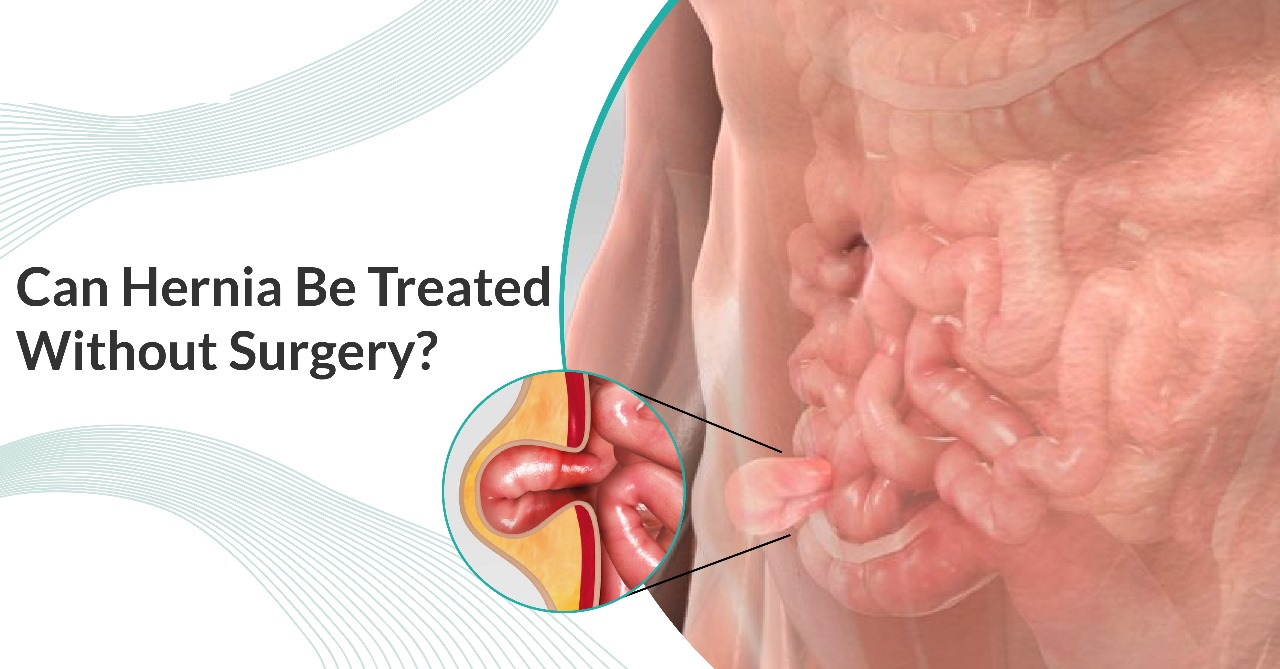
Hernia is a common health condition that is experienced by individuals of all ages. It occurs when one organ or tissue (either internal or not) forces its way through a tender point on the muscle or surrounding tissue.
Most individuals get confused after finding out that they have a hernia, as they do not know whether they should undergo surgery immediately or not. This is where the controversy of watchful waiting and surgery arises.
Knowing when a hernia should be fixed may assist you in preventing complications and selecting the most appropriate treatment for your body and lifestyle.
What Is Watchful Waiting?
Watchful waiting is the close observation of the hernia without any immediate surgery. This choice is advised for doctors whose hernia is small and brings little or no pain and does not disrupt normal daily life.
In watchful waiting, frequent check-ups are significant. The physician determines whether the hernia is increasing in size or producing new symptoms. People who frequently use this option are those who:
- Have mild or no pain
- Have a small hernia
- Are older or have other medical conditions
- Want to delay surgery for personal reasons
Is Watchful Waiting Safe?
For some people, yes. Studies show that many patients can live safely with a hernia for years without surgery if symptoms are mild. However, there is always a risk that the hernia may worsen.
Possible risks include:
- Increased pain
- Enlargement of the hernia
- Difficulty doing physical activities
- Emergencies like strangulation
Because of these risks, watchful waiting should only be done under medical guidance.
When Is Hernia Surgery Needed?
Surgery is the only permanent solution for a hernia. It repairs the weak muscle area and prevents the hernia from coming back. Surgery is usually advised when:
- Pain increases or becomes constant
- The hernia grows larger
- Daily activities are affected
- There is discomfort while standing, lifting, or coughing
- The hernia becomes trapped or strangulated
Ignoring these signs can lead to serious complications that may require emergency surgery.
Emergency Signs You Should Never Ignore
Some hernia symptoms need immediate medical attention. If you notice any of the following, do not wait:
- Sudden severe pain
- Redness or tenderness over the hernia
- Nausea or vomiting
- Fever
- The hernia cannot be pushed back in
Types of Hernia Surgery
Modern hernia surgery is safe and effective. The two main types are:
Open Surgery
The conventional and common procedure is the open hernia. During the process, a surgeon creates a single opening around the area of the hernia to force the mass of tissue into its correct position. Repair on the weakened muscle area is then done, and in most cases a surgical mesh is used to further support the repair.
Open surgery is said to be highly reliable and is often prescribed in the case of large, long-standing, or complicated hernias. It is also an alternative for patients who cannot be the best candidates for minimally invasive surgery because of other health conditions. It might take somewhat more time to recover, but the outcomes are long-term and efficient.
Laparoscopic Surgery
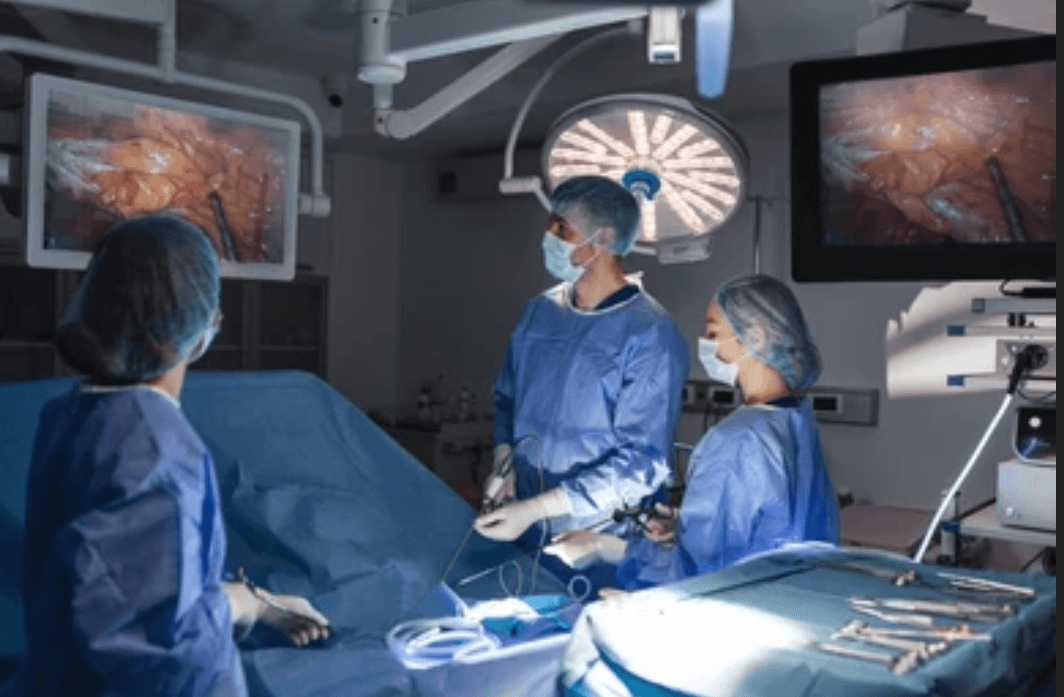
Laparoscopy is a contemporary procedure of hernia repair. It involves a small incision and a small camera which directs the mend process internally inside the abdomen. The smaller incisions enable patients to have fewer complaints, less scarring, and hastened recovery.
Laparoscopic surgery enables many individuals to return to their regular activities earlier. This is usually a choice of patients who would prefer faster recovery and less suffering.
Choosing the Right Surgery
Depending on your type of hernia, age, symptoms, and general health, your surgeon will recommend the most appropriate option.
Final Thoughts
Watchful waiting can be used with mild cases, but a permanent solution is surgery. Timely assessment and professional orientation are the keys.
It may cause complications that are avoidable when the symptoms are ignored or delayed. Monitoring or surgery, either way, make sure that you are advised by a respected expert.
Book your hernia consultation at the Pelvinic Floor Clinic today and receive professional tips on safe and effective hernia care with Dr Sandip. Early care means increased comfort, quicker recovery, and serenity.

 COVID-19 Safe
 Patient Care
 Award Winning Doctors
 Advanced Facilities
 Experience
 Cost Effective
