What is an abdominal hernia, and how different from an Inguinal hernia?
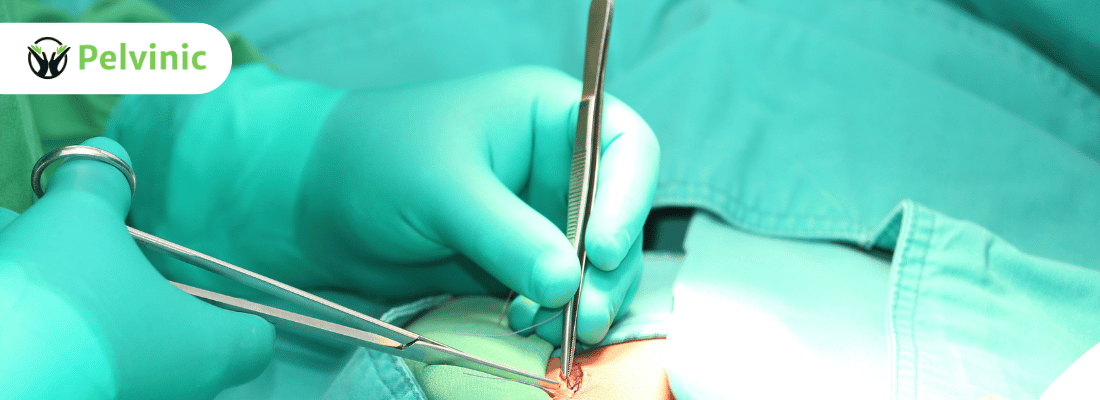
A hernia is a disease in which one section of the internal body (usually an intestine or fatty tissue) penetrates a vulnerable point in the surrounding muscle or connective tissue. The hernias may be located in any part of the body, but they are mostly found in the abdomen. It is vital to know the different types of hernias and the differences to have them treated and seek medical attention in time.
What is an abdominal hernia?
An abdominal hernia is the protrusion of some portion of the intestine or the abdominal tissue through an opening in the abdominal wall. This weakness may be inherent or may be caused by stress, trauma, or surgery. The hernias in the abdomen are comparatively frequent and may affect both men and women of any age.
Symptoms of Abdominal Hernia
The symptoms of an abdominal hernia can vary depending on its type and severity:
- A visible bulge in the abdomen, which may increase in size when coughing, bending, or lifting.
- Discomfort or pain around the hernia site, especially during physical activity.
- A heavy or dragging feeling in the abdomen.
- In severe cases, nausea, vomiting, or difficulty passing stools may occur if the intestine becomes trapped, a condition called incarceration.
Abdominal hernias may be of various kinds:
Umbilical Hernia: This is around the belly button (navel). It is more prevalent among infants, although adults may also acquire it because of obesity, pregnancy or heavy lifting.
Incisional Hernia: This kind is observed at the point of an old surgical wound. The scar tissue can become weak with time, giving way to abdominal contents.
Epigastric Hernia: It is located in the upper region of the abdomen, normally between the belly button and the chest. The fatty tissue tends to stick out through the abdominal wall.
Hiatal Hernia: This is present within the abdominal cavity, but in this case, a section of the stomach has been thrown up inside the chest through the diaphragm.
What is an inguinal hernia?
An inguinal hernia is a certain kind of hernia that appears in the groin. It is a hernia that is mostly prevalent in men. In this type, one part of the intestine or fatty tissue slips out of the lower abdominal wall, which is commonly into the inguinal canal, an opening of the groin.
Male inguinal hernias are more frequent due to the inherent weakness of the groyne region, where the testicles descend before birth. Nevertheless, inguinal hernias may also occur in women, although they are not so prevalent.
Symptoms of Inguinal Hernia
- A bulge in the groin or scrotum that may become more noticeable when standing or straining.
- A burning or aching sensation at the hernia site.
- Pain or discomfort, especially when lifting, coughing, or bending.
- In severe cases, nausea, vomiting, and sudden pain may indicate a trapped hernia that needs immediate medical attention.
Inguinal hernias are of two types:
Indirect Inguinal Hernia: It is often an inborn condition, i.e., one that is present at birth. It develops when the intestine takes the course that the testicles took in the process of foetal formation and finds its way into the inguinal canal.
Direct Inguinal Hernia: It is an acquired condition that occurs gradually as a result of a weakness of lower abdominal muscles. It is more prevalent among adult people and is typically found on each side of the groin region.
Treatment Options
Hernias rarely heal on their own and often require medical intervention. Treatment depends on the size, type, and severity of the hernia:
Lifestyle Changes
For small hernias without severe symptoms, lifestyle modifications such as avoiding heavy lifting, maintaining a healthy weight, and wearing supportive garments may help.
Medication
Pain relievers can be used for discomfort, but they do not fix the hernia.
Surgery
Surgery is the most effective treatment. Types of surgery include:
- Open Hernia Repair: The surgeon makes an incision near the hernia site and pushes the protruding tissue back into place. A mesh may be used to strengthen the abdominal wall.
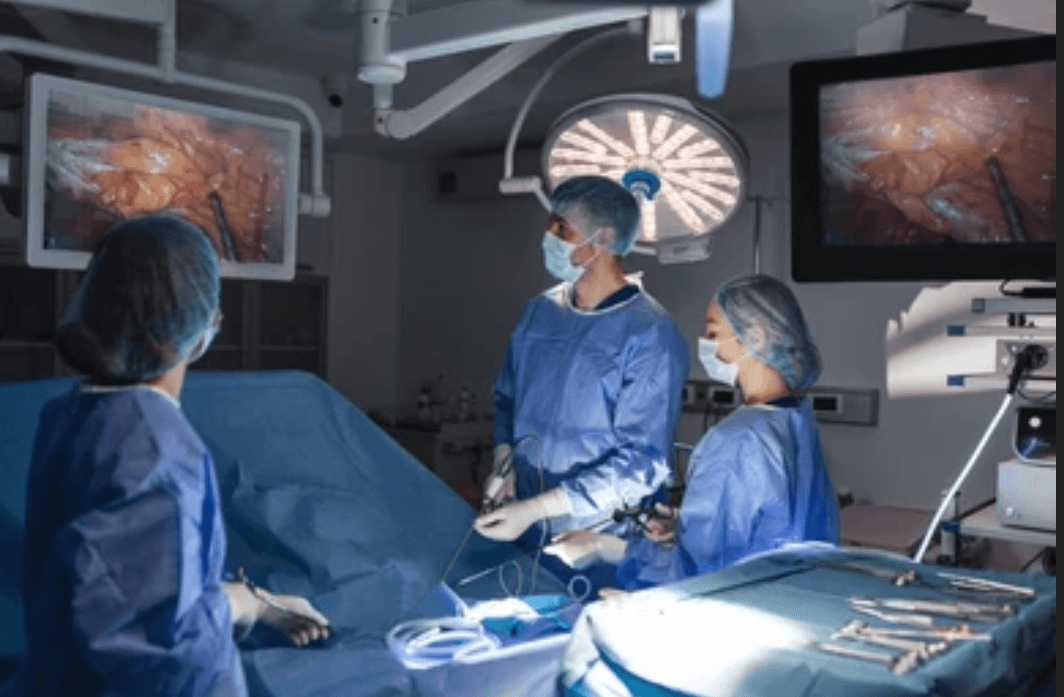
- Laparoscopic Surgery: Minimally invasive surgery using small incisions and a camera, often resulting in faster recovery.
Key Differences Between Abdominal and Inguinal Hernias
Although both are hernias, there are important differences between abdominal and inguinal hernias:
Feature Abdominal HerniaInguinal HerniaLocationAnywhere in the abdominal wallLower abdomen/groin regionCommon TypesUmbilical, incisional, epigastric, hiatalDirect and indirect inguinalGender PrevalenceBoth men and womenMore common in menCauseWeakness in abdominal muscles, surgery, obesity, and pregnancyCongenital weakness in the inguinal canalSymptomsBulge, discomfort, pain, nausea in severe casesGroin bulge, pain, burning sensation, and possible scrotal swelling
When to See a Doctor
It is important not to ignore any hernia symptoms. You should consult a doctor immediately if you notice:
- Sudden severe pain at the hernia site
- Nausea or vomiting
- Redness or tenderness over the bulge
- The hernia cannot be pushed back in
Early medical intervention can prevent complications like strangulation or obstruction of the intestine, which can become life-threatening if untreated.
Conclusion
To conclude, the abdominal hernia is a protrusion of the abdominal wall, which is a result of pushing the tissue through a weaker point, and an inguinal hernia, in particular, is found in the region of the groin.
Once a hernia is diagnosed, it's important to see a surgeon immediately. Surgery is needed for all hernias, except for some congenital ones in babies under two years. If pain, swelling, or non-reducible lumps appear, it's an emergency. Early consultation prevents complications and ensures safer, timely treatment.
To anyone with hernia symptoms, a specialist should be consulted. Dr Sandip at Pelvinic Clinic offers high-quality care and individualised treatment of abdominal abnormalities and inguinal hernias with the best outcomes.

 COVID-19 Safe
 Patient Care
 Award Winning Doctors
 Advanced Facilities
 Experience
 Cost Effective
