What is Gallstone Pancreatitis, and why does it happen?
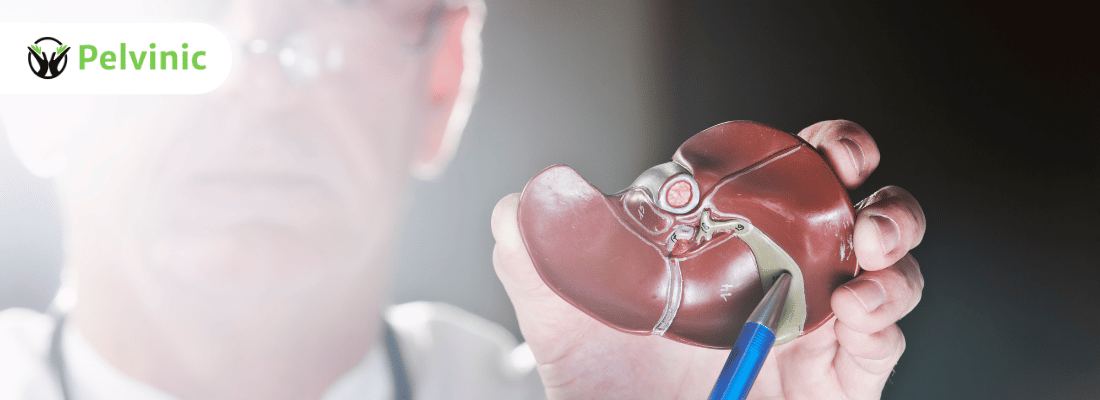
Gallstone pancreatitis is a condition caused by obstruction of the normal flow of pancreatic digestive juices due to a gallstone blocking the bile or pancreatic duct. This blockage causes the pancreas to become inflamed, a condition known as pancreatitis. The pancreas is an important organ involved in digestion and blood sugar regulation; when inflamed, it can cause severe pain and other serious complications. Understanding gallstone pancreatitis—its causes, symptoms, and treatments—helps with early diagnosis and better management.
What Are Gallstones?
Gallstones are small, hard deposits that form in the gallbladder, the small organ beneath the liver that stores bile, a digestive fluid used to digest fats. Gallstones form when the composition of bile is imbalanced (cholesterol, bile salts, or bilirubin). They can range in size from a grain of sand to a golf ball. Not everyone with gallstones will have problems, but stones can migrate and block ducts, causing complications such as gallstone pancreatitis.
Symptoms of Gallstone Pancreatitis
Symptoms can range from mild to severe. Common signs include:
- Severe abdominal pain, typically in the upper abdomen and often radiating to the back; pain usually starts suddenly and can last for hours
- Nausea and vomiting
- Fever and chills in some cases
- Jaundice (yellowing of the skin or eyes) if the bile duct is blocked
- Rapid heartbeat and sweating due to pain and systemic response
Sudden severe abdominal pain with nausea or vomiting requires immediate medical attention, as gallstone pancreatitis can worsen rapidly.
What Causes Gallstone Pancreatitis?
Gallstones cause pancreatitis primarily by blocking the bile or pancreatic ducts, preventing the normal flow of digestive enzymes. Risk factors for gallstones and gallstone pancreatitis include:
- Diet and lifestyle: High-fat diets, obesity, and sedentary behavior increase the chance of gallstone formation.
- Age and gender: Women—especially over 40—are at higher risk due to hormonal and metabolic factors.
- Medical conditions: Diabetes, liver disease, and certain blood disorders can alter bile composition and increase risk.
- Rapid weight loss: Crash diets or rapid weight reduction disrupt bile flow and can promote cholesterol crystallization and stone formation.
- Family history: Genetics can increase susceptibility to gallstones.
Treatment for Gallstone Pancreatitis
Treatment focuses on managing inflammation, relieving symptoms, and preventing recurrence. Common approaches include:
Fluids and Electrolytes
Intravenous fluids maintain hydration, replenish electrolytes, support organ function, and help the pancreas recover.
Pain Management
Severe abdominal pain is treated with analgesics to reduce stress on the body and aid recovery.
Endoscopic Procedures
Endoscopic retrograde cholangiopancreatography (ERCP) or similar endoscopic techniques can remove gallstones obstructing the bile duct, relieving obstruction and reducing further pancreatic damage.
Surgery
Cholecystectomy (gallbladder removal) is often recommended to prevent future gallstones and recurrent pancreatitis.
How Do Gallstones Lead to Pancreatitis?
Normally, pancreatic enzymes are released into the small intestine and become active there to aid digestion. If a gallstone blocks the bile or ampullary region near the pancreas, enzymes can activate within the pancreas itself, causing inflammation, tissue damage, and swelling. Gallstone pancreatitis is often acute and needs urgent care; if untreated, complications may include infection, bleeding, or organ failure.
Preventing Gallstone Pancreatitis
Prevention focuses on reducing gallstone risk:
- Maintain a healthy weight with a balanced diet and regular exercise
- Avoid rapid weight loss or crash diets
- Eat a diet high in fiber and low in saturated fats
- Stay well hydrated
- Have regular check-ups if you have a family history or other risk factors
Early detection of gallstones before they cause pancreatitis can prevent severe complications.
Conclusion
Gallstone pancreatitis is a serious condition caused by duct obstruction from gallstones, leading to pancreatic inflammation. Recognizing symptoms and seeking timely medical care is crucial to avoid complications. With appropriate treatment, most patients recover well and can lead healthy lives.
If you experience severe abdominal pain, nausea, or jaundice, seek medical attention promptly. To enquire about specialist consultation and treatment for gallstone pancreatitis, call Dr Sandip at the Pelvinic Clinic for early intervention and management.

 COVID-19 Safe
 Patient Care
 Award Winning Doctors
 Advanced Facilities
 Experience
 Cost Effective
