Swelling Near Anus – Is It Piles, Abscess or Fistula?
An Overview
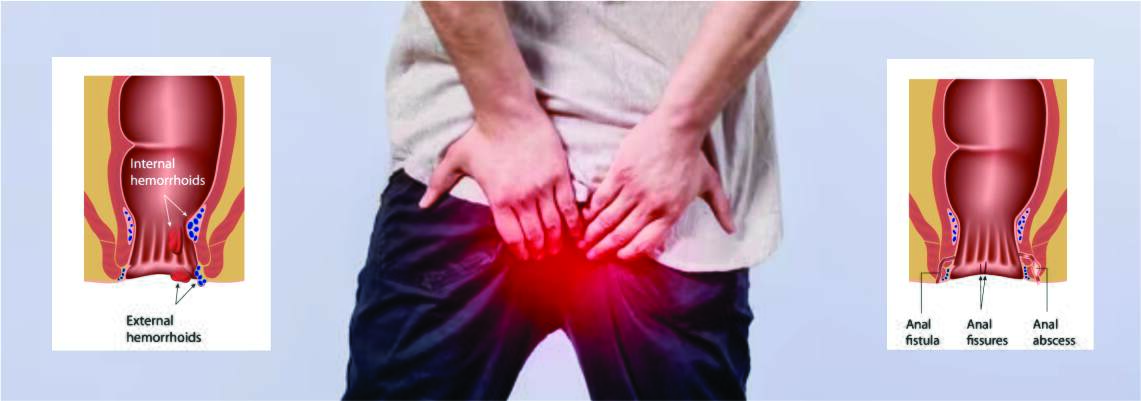
Many people may feel uncomfortable discussing anus swelling in public. Even though the bulge appears to be large, it could be an abscess or a fistula, both of which can have quite different symptoms. Symptoms like fever, itching, discharge, discomfort, and bleeding could all be significant indicators. When the true cause is identified early on, rather than depending on conjecture or misleading information from the internet, needless misery and concern can be avoided.
The team of experts at Pelvinic who work closely with patients have extensive knowledge of anorectal treatment, and there are cases when listening to patients is the first step in the proper strategy.
Piles: The Most Common Yet Often Misunderstood Condition
Large anal veins known as hemorrhoids can result in bleeding, itching, or minor discomfort during bowel movements. Pregnancy, straining, constipation, and extended sitting are commonly associated with them. For many people, lifestyle changes including drinking more water, eating more fiber, and having better bowel movements are helpful. Since not all lumps or swellings are hemorrhoids, a different condition could be mistaken for them, prolonging the time it takes to get the right therapy.
Seeing the problem from the viewpoint of someone with experience in colorectal care might be helpful when the typical pattern of symptoms is not followed. Patients frequently come to the same conclusion while looking into treatment options under Dr. Sandeep's guidance.
Abscess: When Swelling Signals an Infection
A painful infection that surrounds the anus and is filled with pus is known as an anal abscess. Unlike piles, abscesses frequently result in fever, exhaustion, bleeding, and excruciating pain. Without treatment, the edema can worsen and spread swiftly. Fistulas can occur if abscess symptoms are ignored, even though they often call for prompt medical intervention. Many people realize how important it is to speak with professionals who frequently deal with similar cases when their sporadic discomfort develops into chronic pain.
Fistula: A Condition That Needs Expert Evaluation
A fistula is a tiny, irregular tunnel between the skin and the anal canal. It may develop as a result of draining or healing of an abscess. Common symptoms include swelling, drainage, or recurring infections in the same location. In contrast to piles, fistulas typically require a procedural approach to provide long-term relief. An early diagnosis helps prevent continued discomfort and needless delays.
Those who are dealing with persistent issues should seek assistance from medical professionals who understand the physiological and psychological aspects of anorectal health, as Dr. Sandeep's patient-focused approach indicates.
Treatment Options and Recovery
The treatment plan is solely determined by the diagnosis. Examples of conservative piles therapy include less invasive procedures, pharmaceutical drugs, and dietary adjustments. Fistulas may require specialized surgical procedures meant to encourage healing and lessen recurrence, while abscesses typically require draining to remove infection. Treatment programs that are customized for each patient's needs rather than using a one-size-fits-all strategy encourage healing.
Conclusion: Don't Ignore Persistent Swelling
Keep an eye on any lingering swelling. Despite the first appearance of mild swelling around the anus, it is important to always pay attention to any pain, discharge, or lumps that persist. You can take quick action and prevent problems if you know the difference between fistulas, piles, and abscesses. Healing occurs more quickly when a precise diagnosis and suitable treatment are prioritized above speculation.
Sometimes the best way to proceed is to find the correct path. This approach typically directs people to experts like Dr. Sandeep Banerjee when clarity is crucial.

 COVID-19 Safe
 Patient Care
 Award Winning Doctors
 Advanced Facilities
 Experience
 Cost Effective
